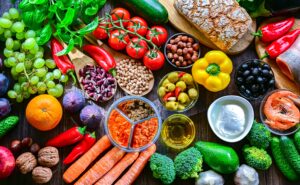
FODMAP stands for fermentable oligosaccharides, disaccharides, monosaccharides, and polyols—short-chain carbohydrates poorly absorbed in the small intestine. These carbs can be found in various foods, including fruits, vegetables, grains, and dairy products. When people with irritable bowel syndrome (IBS) consume foods high in FODMAPs, these carbs ferment in the gut, leading to symptoms like gas and abdominal pain. The FODMAP diet is designed to help individuals with IBS identify and avoid foods that trigger these uncomfortable symptoms.
How Does Low FODMAP Help IBS?
The Low FODMAP diet is a therapeutic approach often used to manage symptoms of Irritable Bowel Syndrome (IBS). For people with IBS, consuming FODMAPs can trigger symptoms like bloating, gas, diarrhea, and constipation.
1. Reduces Fermentation in the Gut
FODMAPs are not easily absorbed by the body, so they pass into the colon, where bacteria ferment them. This fermentation produces gas, leading to bloating, distension, and abdominal pain. Reducing FODMAPs minimizes fermentation and gas production, alleviating discomfort.
2. Decreases Water Retention in the Intestine
FODMAPs can draw water into the small intestine due to their osmotic effect, contributing to diarrhea. A low FODMAP diet reduces this water retention, helping prevent or reduce diarrhea.
3. Reduces Sensitivity in the Gut
People with IBS often have an extra sensitive gut. By reducing the intake of FODMAPs, the volume of gas and distension is lessened, which can reduce overall gut sensitivity and pain.
4. Balances Gut Bacteria
Although the diet temporarily restricts FODMAPs, which are types of prebiotics, it helps rebalance the gut bacteria by reducing the overgrowth of bacteria in some parts of the digestive system that can worsen IBS symptoms.
The Low FODMAP diet is typically done in three phases:
- Elimination: Removing high-FODMAP foods for a few weeks.
- Reintroduction: Gradually reintroducing foods to see which triggers symptoms.
- Personalization: Creating a long-term diet based on individual tolerance.
Working with a dietitian is recommended to ensure the diet is balanced and to guide the reintroduction phase.
Which Low FODMAP Vegetables are Best for IBS?
Certain vegetables are better tolerated by people with IBS (Irritable Bowel Syndrome) following a low FODMAP diet because they contain lower levels of fermentable carbohydrates that can trigger symptoms. Here’s a list of low-FODMAP vegetables that are generally considered safe in moderate portions:
Best Low FODMAP Vegetables for IBS:
- Carrots
- Zucchini (up to ⅓ cup)
- Bell Peppers
- Cucumbers
- Spinach
- Eggplant
- Tomatoes
- Lettuce
- Kale
- Green Beans
- Swiss Chard
- Potatoes
- Parsnips
- Turnips
- Bok Choy
Portion Control and Serving Sizes:
Even though these vegetables are low FODMAP, it is important to consume them in the recommended serving sizes. Large portions of even low FODMAP foods can sometimes trigger IBS symptoms.
Other Low FODMAP Foods to Relieve IBS Symptoms
A Low FODMAP diet is often recommended to help manage Irritable Bowel Syndrome (IBS) symptoms. Here are some low-FODMAP foods that may help relieve IBS symptoms:
- Fruits (in moderation): Bananas (firm), Blueberries, Strawberries, Grapes, Kiwi, Oranges, Cantaloupe, Pineapple
- Vegetables (choose low-FODMAP options): Carrots, Cucumbers, Spinach, Zucchini, Bell peppers, Eggplant, Green beans, Lettuce, Potatoes
- Proteins: Eggs, Chicken, Turkey, Fish (salmon, tuna), Beef (lean cuts), Firm tofu (not silken)
- Grains and Cereals: Rice (white, brown, and basmati), Quinoa, Oats (gluten-free), Cornflakes, Polenta, Gluten-free bread, pasta, and cereals
- Dairy Alternatives: Lactose-free milk, Almond milk (without added sweeteners), Coconut milk, Hard cheeses (like cheddar, Parmesan), Greek yogurt (lactose-free)
- Nuts and Seeds (in small amounts): Almonds (small servings, 10-12), Walnuts, Macadamia nuts, Chia seeds, Pumpkin seeds
- Fats and Oils: Olive oil, Coconut oil, Butter (in moderation), Ghee (clarified butter)
- Herbs and Spices: Basil, Parsley, Oregano, Mint, Dill, Cinnamon, Turmeric
- Beverages: Water, Herbal teas (peppermint, ginger), Green tea, Coffee (limit to small amounts)
- Sweeteners (use sparingly): Maple syrup, Rice malt syrup, Stevia
It’s important to reintroduce higher FODMAP foods after a trial period to determine personal tolerance levels, as cutting out all FODMAPs long-term is not ideal for gut health. Working with a registered dietitian can help ensure the correct reintroduction process and personalized long-term IBS management.
By eliminating high FODMAP foods and gradually reintroducing them, individuals can identify their specific triggers and create a personalized long-term diet plan that helps relieve symptoms. While it may require some time and guidance from a professional, the benefits of following a low FODMAP diet can significantly improve one’s quality of life for those living with IBS. Consult with your healthcare provider to determine if this dietary approach is right for you, and seek guidance from a registered dietitian to safely and effectively implement the low FODMAP diet. With the right support and knowledge, managing IBS symptoms can become more manageable and less disruptive to everyday life.
If you would like more information or help with a diet plan, please contact the experts at Allied Digestive Health.