For many people, the hardest part of a colonoscopy isn’t the procedure itself. It’s the bowel prep the day before. The good news is that colonoscopy prep has become easier to manage, and a little planning goes a long way. These practical tips can help you feel more comfortable and get the best possible results from your cancer screening.
Why Colonoscopy Prep Is So Important
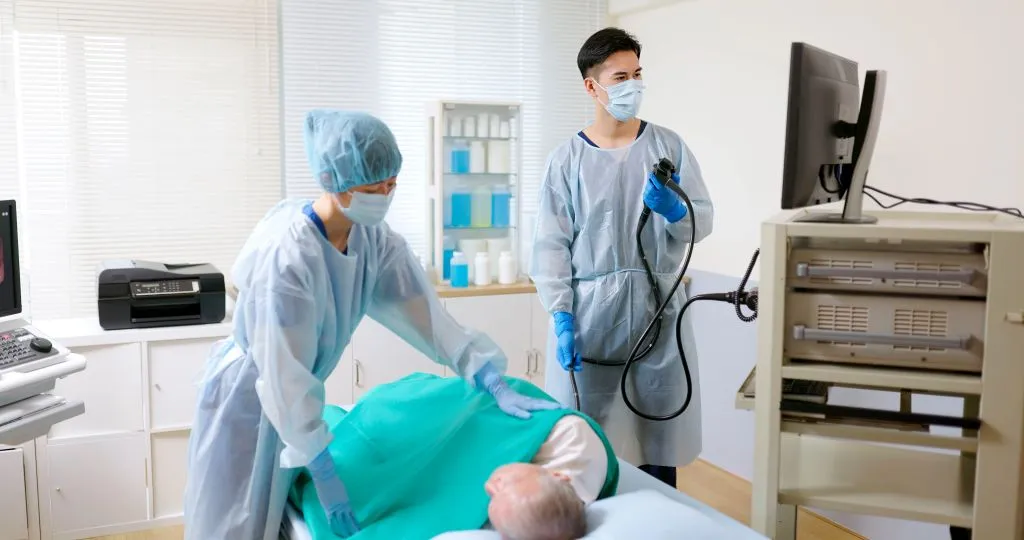
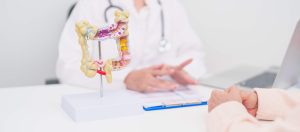
During a colonoscopy, your gastroenterologist uses a thin, flexible camera to examine the lining of your colon. To see clearly, the colon needs to be completely empty. Any leftover stool can hide polyps, the small growths that can turn into colorectal cancer over time.
A thorough bowel prep helps your doctor find and remove polyps during the same visit. Poor prep may mean a longer procedure, missed findings, or having to repeat the colonoscopy sooner than planned.
When to Start Preparing for Your Colonoscopy
Preparation usually starts about a week before your procedure, not just the night before. Here is a typical timeline, though you should always follow the prep instructions from your care team:
- About 7 days before: Read your prep instructions, pick up your bowel prep at the pharmacy, and arrange a ride home. Ask your doctor whether to adjust any medications, such as blood thinners, iron supplements, or diabetes medicines.
- 3 to 5 days before: Eat a low fiber diet and stop seeds, nuts, and other high-fiber foods.
- The day before your colonoscopy: Switch to a clear liquid diet and begin your bowel prep as directed.
- The day of: Finish your prep and stop drinking at the time your doctor specifies.
What to Eat and Drink Before Your Colonoscopy
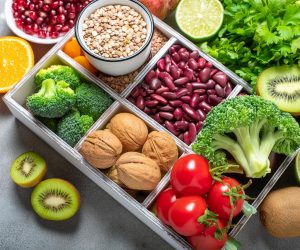
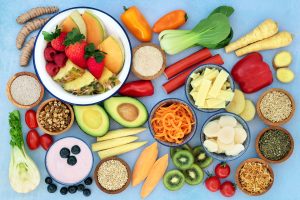
In the days leading up to your procedure, choose easy-to-digest, low-residue foods such as white bread, white rice, plain pasta, eggs, chicken, fish, and well-cooked vegetables without skins. Avoid fiber foods that are harder to clear, including:
- Raw vegetables and salads
- Whole grains, brown rice, and bran
- Nuts, seeds, and popcorn
- Fruits with skins or seeds
- Beans and lentils
The day before your colonoscopy, you’ll stop solid foods and follow a clear liquid diet. Good options include water, clear broth, apple or white grape juice, sports drinks, plain gelatin, ice pops, and black coffee or tea without milk or creamer. Skip anything red or purple, since these colors can look like blood in the colon.
Tips to Make Bowel Prep Easier to Tolerate
A few simple tricks can make the bowel prep solution much easier to get down:
- Chill it. Many people find the solution tastes better cold. Mix it ahead of time and refrigerate it, unless your instructions say otherwise.
- Use a straw. Placing the straw toward the back of your tongue helps you taste less.
- Chase it. Follow each glass with a sip of an approved clear liquid, or suck on a hard candy or lemon wedge.
- Ask about a split dose. A split dose divides the prep into two parts, one the evening before and one several hours before your procedure. It is often easier to tolerate and tends to clean the colon more effectively.
- Get comfortable. Stay close to a bathroom, wear loose clothing, and use soft, flushable wipes or a barrier cream to prevent irritation.
- Slow down if you feel nauseous. Take a short break, then resume at a slower pace. Call your doctor if you can’t keep the prep down.
Staying Hydrated Throughout the Prep Process
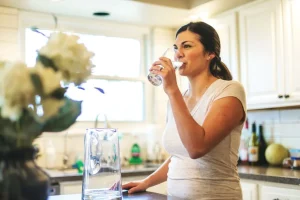
Bowel prep flushes out a lot of fluid, so it’s important to stay hydrated. Drink plenty of clear liquids throughout the day before your colonoscopy, not just the prep solution itself. Sports drinks and clear broths help replace electrolytes like sodium and potassium.
Good hydration can also reduce headaches, dizziness, and fatigue during prep. Keep a glass or bottle nearby and sip often, but be sure to stop all liquids at the cutoff time listed in your instructions.
Common Colonoscopy Prep Mistakes to Avoid
Small slip-ups can affect your results. Watch out for these common mistakes:
- Reading your prep instructions for the first time the night before
- Eating solid foods after you’ve started the clear liquid diet
- Drinking red or purple liquids, or adding milk or creamer to coffee
- Not finishing the full bowel prep, even if your stool already looks clear
- Forgetting to ask about medications or supplements
- Not arranging a ride home after sedation
If you’re unsure about anything, call your gastroenterologist’s office before your procedure day.
What to Expect on the Day of Your Colonoscopy
If you’re using a split dose, you’ll finish the second half of your prep several hours before your arrival time. When you arrive, the care team will review your health history and place an IV for sedation, so you’ll be comfortable throughout the procedure.
The colonoscopy itself usually takes about 30 to 60 minutes. Afterward, you’ll rest briefly while the sedation wears off, and your doctor will share initial findings. Because of the sedation, you’ll need someone to drive you home. Most people return to their normal diet and activities the next day.
How Colonoscopy Helps Prevent Colorectal Cancer
Colonoscopy is unique among cancer screening tests because it can both detect and prevent colon cancer. When your doctor finds a polyp, it can usually be removed during the same procedure, before it has a chance to become cancerous. Screening also helps catch colorectal cancer early, when it is most treatable.
Most adults at average risk should begin screening at age 45. If your results are normal, you may not need another colonoscopy for up to 10 years. People with a family history or certain symptoms may need to start earlier or be screened more often.
Schedule Your Colonoscopy with Allied Digestive Health
At Allied Digestive Health, our board-certified gastroenterologists are here to make the experience as easy as possible. Our teams provide clear prep instructions, answer your questions along the way, and help you choose the bowel prep that works best for you. With practices across New Jersey and New York, expert care is close to home.
Don’t put off this important screening. Schedule your colonoscopy with an Allied Digestive Health gastroenterologist today.
Sources