What is a FibroScan?
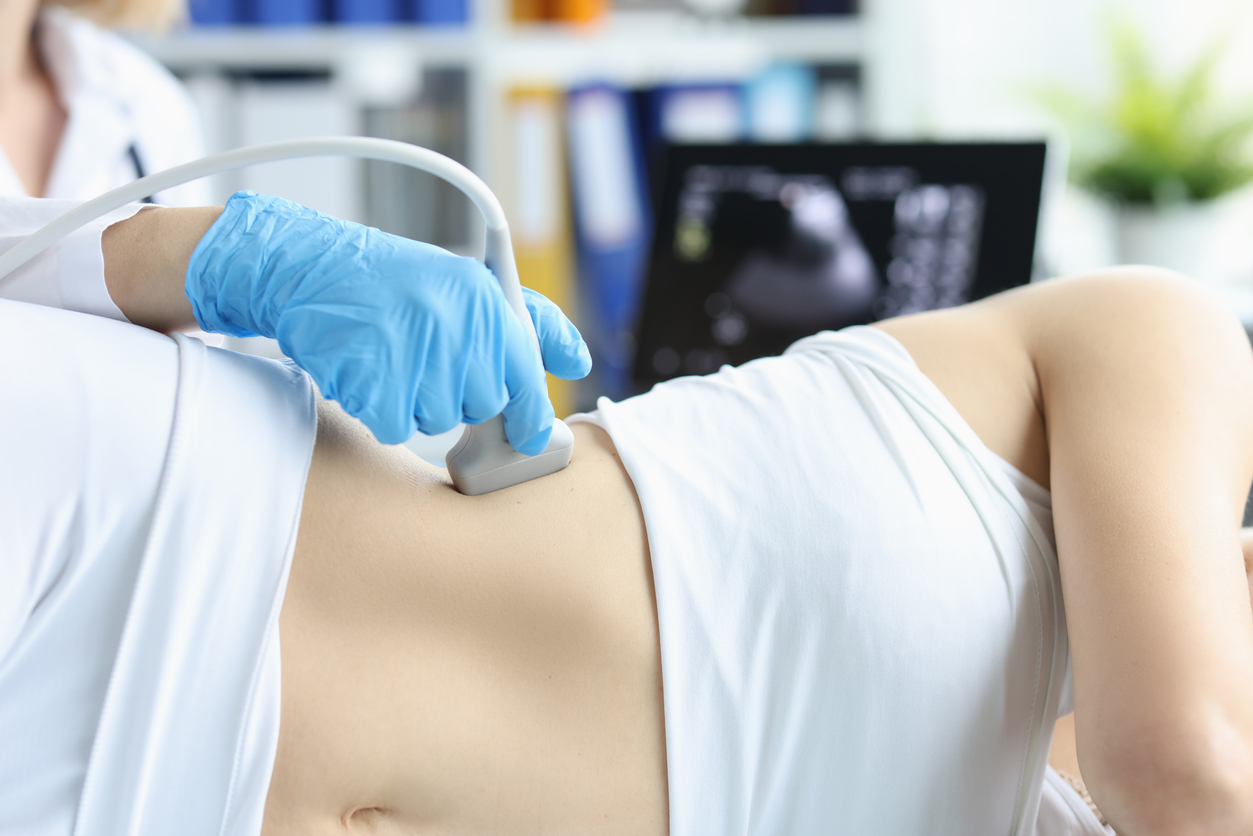
Transient Elastography, commonly known as FibroScan, is a non-invasive, rapid, and painless method used to assess liver stiffness, which is indicative of the level of fibrosis or scarring in the liver. The procedure employs a technology called elastography, which uses shear wave speed to measure liver stiffness.
The device sends a vibration wave through the skin and into the liver, and the speed at which this wave travels is directly related to the stiffness of the liver. This test provides essential information to healthcare providers, enabling them to diagnose liver diseases such as cirrhosis or fatty liver disease early and manage them effectively.
How Do I Prepare for a FibroScan?
Preparing for a FibroScan test is relatively straightforward. The most critical point is to ensure that you have fasted for at least 3 hours before the examination, as food intake can affect the accuracy of the results.
Additionally, you should wear comfortable clothing that allows easy access to the right side of your ribcage. It’s also advisable to discuss your current medications and overall health status with your healthcare provider before the test.
Why is a FibroScan Done?
FibroScan is an innovative procedure used to assess the health of your liver by measuring the degree of fibrosis (liver stiffness) and steatosis (fat accumulation).
Common Reasons for Getting a FibroScan
FibroScan is often recommended for those with chronic liver diseases such as Hepatitis B, Hepatitis C, alcoholic liver disease, and non-alcoholic fatty liver disease. It’s also used to monitor the liver conditions of patients who have undergone liver transplants or are on certain medications that may affect liver health.
Risk Factors for Liver Disease That May Warrant a FibroScan
Several risk factors may increase your likelihood of developing liver damage, hence your need for a FibroScan. These include heavy or regular alcohol consumption, a family history of liver disease, obesity, diabetes, exposure to certain toxins and chemicals, and certain types of medications.
Benefits of Early Detection Through FibroScan
The benefits of early detection through FibroScan are numerous. It can help to identify liver disease at its earliest stages when it is most treatable, reduce the need for liver biopsies, monitor the progression of liver disease, and assist in tailoring the most effective treatment plan for patients.
What Is the Difference Between a FibroScan and an Ultrasound?
Though both FibroScan and ultrasound are non-invasive diagnostic procedures designed to assess the health of your liver, they function on different principles and provide distinct types of information. An ultrasound uses sound waves to create images of the liver, highlighting structural changes and abnormalities such as tumors or cysts.
On the other hand, a FibroScan uses elastography technology to measure the stiffness of your liver, which is a key indicator of fibrosis or scarring. This can help in diagnosing conditions like cirrhosis or fatty liver disease. It’s worth noting that while ultrasound provides a more detailed image and can identify a broader range of issues, FibroScan offers a more direct and quantitative assessment of liver stiffness. Therefore, both tests may be used together, providing a comprehensive overview of liver health.
Conditions That Can Affect Your Fibrosis Results
There are several conditions that can influence the results of your FibroScan, causing the liver to appear stiffer than it actually is. For instance, inflammation of the liver, also known as hepatitis, can increase liver stiffness. Other conditions that can impact the results include congestion due to heart failure, recent consumption of alcohol, and cholestasis, a condition characterized by impaired bile flow.
Furthermore, the presence of fat in the liver, or steatosis, may also affect FibroScan results. It is essential to discuss your complete medical history and any existing health conditions with your healthcare provider before undergoing a FibroScan to ensure the most accurate interpretation of results.
Liver Stiffness Result
The liver stiffness result from a FibroScan is measured in kilopascals (kPa). This numerical value indicates the degree of stiffness or elasticity of your liver, providing insight into the extent of potential fibrosis or scarring. A lower kPa result generally indicates a softer, healthier liver, while a higher kPa result may suggest more severe fibrosis or even cirrhosis.
However, it’s essential to understand that FibroScan results must be interpreted in the context of your overall health, other laboratory results, and medical history. Your healthcare provider will assess all these factors to draw a comprehensive conclusion about your liver health. Remember, though FibroScan is a valuable tool, it is only one component of a complete liver evaluation.
When to Talk to Your Doctor
It’s crucial to consult your doctor if you experience symptoms that may indicate liver disease or if you have risk factors associated with it. Symptoms can include jaundice (yellowing of the skin and eyes), persistent fatigue, abdominal pain, swelling in your legs and ankles, itchy skin, dark urine color, loss of appetite, or unexplained weight loss.
Risk factors may include a history of alcohol abuse, a family history of liver disease, diabetes, obesity, or exposure to certain toxins or viruses. If you have been diagnosed with liver disease, it’s vital to have regular check-ups and monitoring, which may include a FibroScan, to assess the condition’s progression and response to treatment. Always remember early detection and intervention can significantly improve the prognosis of liver disease.
Resources
There are numerous resources available online to learn more about fibrosis, cirrhosis, and maintaining good liver health.
Helpful Links:
American Liver Foundation: www.liverfoundation.org
Mayo Clinic – Liver Disease: www.mayoclinic.org/diseases-conditions/liver-problems
- National Institute of Diabetes and Digestive and Kidney Diseases (NIDDK), Liver Disease: [www.niddk.nih.gov/health-information/liver-disease](http://www.niddk.nih.gov/health-information/liver-disease)
Contact Information:
If you have further questions or concerns, do not hesitate to contact your healthcare provider. For immediate medical concerns, please don’t hesitate to contact your local emergency services.