It is likely that at some point in your life, you have experienced the difficult or infrequent bowel movements associated with the best & worst foods for constipation. However, what you may not know is that you have the power to reduce your risk of experiencing discomfort associated with constipation. The fact is that the leading causes of constipation are poor diet and lifestyle choices, and by making changes to what you put in your body, you could help relieve chronic constipation and/or reduce your constipation risk in the future. Keep reading to learn more about the causes of constipation and what are the best & worst foods for constipation that you should be eating (and staying away from) to promote healthy bowel movements.
What is Constipation?
Constipation is a common condition that affects people of all ages that is characterized by infrequent bowel movements (fewer than 3 times per week), difficulty passing stools, and/or an inability to empty one’s bowels. Constipation can also cause your stools to be hard and lumpy as well as unusually large or small. Some constipated people may also experience painful bowel movements as well as bloating, discomfort, and the sensation of a full bowel.
While many people experience constipation each year, constipation severity can vary from person to person. While most cases involve mild symptoms that resolve in a manner of days, for some people, constipation can be a long-term (chronic) condition that lasts weeks or months, resulting in significant pain and discomfort that can affect the quality of life.
While treatment of constipation will depend on its cause, most cases will resolve on their own, and many cases of chronic constipation can be resolved with simple diet and lifestyle changes. If chronic constipation persists even after dietary changes have been made, a doctor should be consulted to determine if an underlying condition may be to blame.
What Causes Constipation?
It is often difficult to determine the exact cause of constipation, as there could be several underlying factors causing your symptoms. However, one of the primary causes of chronic constipation (constipation lasting longer than 14 days) is poor lifestyle choices. In particular, a bad diet that does not contain enough fiber is a significant risk factor for chronic constipation. Other common causes of constipation include:
- Ignoring the urge to pass stools
- Medication side effects
- Not drinking enough fluids
- A sedentary lifestyle
- Diabetes
- Irritable Bowel Syndrome (IBS)
- And anxiety/depression
Diet and Constipation
While the causes of constipation can range from dehydration to IBS or a sedentary lifestyle, diet is almost always an important factor in alleviating constipation symptoms. In particular, fiber is a major factor in digestive health, as it supports the microbiome of healthy bacteria in the digestive tract, and it helps with gut motility (the coordination of muscle contractions in the intestines that pushes food along the digestive tract). Thusly, many cases of the best & worst foods for constipation can be alleviated by watching what you eat and making sure that your diet is high in fiber and low in fat.
High Fiber Foods
When trying to incorporate more fiber into your diet, it is important to note that there are two types of fiber found in food: soluble fiber and insoluble fiber. When adding fiber to your diet, you must incorporate foods containing both types of fiber for optimal constipation relief.
Soluble Fiber
Soluble fiber is a type of fiber that dissolves in water, and in the digestive tract, it creates a gel that adds bulk. This gel also acts as a natural stool softener, making bowel movements easier to pass. Adding foods to your diet that are high in soluble fiber can then be extremely effective in relieving constipation. Soluble fiber is also generally better tolerated by people whose constipation is caused by IBS than insoluble fiber. Foods that are high in soluble fiber include:
- Apples
- Oats
- Barley
- Rye
- Beans
- Oranges
- Bananas
- Nuts
- Seeds
- And Whole Grains
Insoluble Fiber
Alternatively, insoluble fiber does not absorb moisture, but it can provide effective constipation relief as it helps speed up the passage of food through the gut. Insoluble fiber also helps bulk up your stools and keeps things moving through the digestive tract. A few foods you can incorporate into your diet that are high in insoluble fiber include:
- Popcorn
- Leafy Greens
- The Skin of Fruits and Vegetables
- Dried Fruit
- Legumes
- Brown Rice
- And Wheat Bran
Adding a healthy balance of food high in both soluble and insoluble fiber can provide effective constipation relief in many cases. The best & worst foods for constipation are:
Best Foods For Constipation
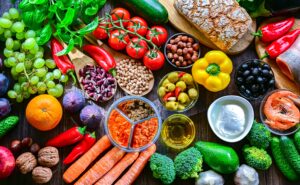
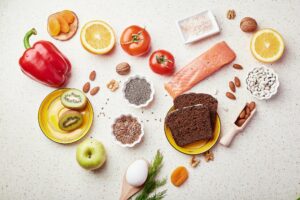
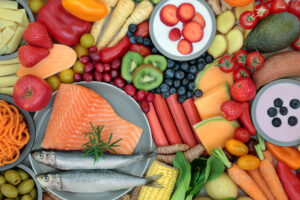
As we’ve mentioned before, changing your diet is one of the most effective ways to relieve constipation. While you can’t go wrong by adding more fiber, water, whole grains, fruits, and vegetables to your diet, certain foods provide better constipation relief than others. Some of the best foods that you should incorporate into your diet to prevent constipation include:
- Prunes
- Apples
- Pears
- Kiwi
- Figs
- Spinach and Other Greens
- Artichoke
- Sweet Potato
- Whole Grains
- Oatmeal
- And Pulses (such as beans, peas, and lentils)
By maintaining a high-fiber, low-fat diet rich in fruits, vegetables, and whole grains, you can promote healthy bowel movements.
The Worst Foods for Constipation
Of course, while some foods promote healthy bowel movements, others can slow things down and make your constipation worse. If you are currently suffering from constipation, try to eliminate the following foods from your diet:
- Dairy
- Processed Foods
- Fast Food
- Fried Food
- Refined Sugar
- White Bread
- Alcohol
- And Red Meat
If you suffer from chronic constipation, making simple changes to your diet and lifestyle could go a long way in alleviating your symptoms. If your symptoms do not improve after making lifestyle changes, you should talk to a doctor to find out if an underlying condition may be the cause of your constipation.
Feel free to contact us to learn more about the causes of constipation and how changing your diet could relieve your symptoms.