The Fiber-IBS Connection
Fiber plays a complex role in managing Irritable Bowel Syndrome (IBS). While fiber is well-known for promoting digestive health, its effects on IBS symptoms can vary depending on the type of fiber consumed.
Soluble fiber, found in foods like oats, carrots, and apples, dissolves in water to form a gel-like substance, which helps regulate bowel movements and alleviate symptoms such as diarrhea or constipation. Insoluble fiber, on the other hand, is not as easily broken down and may exacerbate bloating or discomfort in some individuals with IBS.
Understanding how different types of fiber affect IBS is crucial to creating a diet that supports digestive health without triggering flare-ups.
Soluble vs. Insoluble Fiber: Which Helps IBS?
Understanding the difference between soluble and insoluble fiber is crucial when managing IBS. Soluble fiber, which dissolves in water and forms a gel-like consistency, is often easier on the digestive system for individuals with IBS. It can help regulate bowel movements by softening stool in cases of constipation and slowing down digestion to manage diarrhea. Foods like oats, psyllium husk, bananas, and sweet potatoes are excellent sources of soluble fiber.
Conversely, insoluble fiber does not dissolve in water and tends to add bulk to the stool, sometimes worsening symptoms like bloating or abdominal discomfort in IBS sufferers. This type of fiber is commonly found in whole grains, nuts, seeds, and the skins of fruits and vegetables. While both fiber types are essential for overall digestive health, focusing on soluble fiber may provide better symptom relief for those with IBS, especially during flare-ups.
Best High-Fiber Foods for IBS Relief
Selecting the right high-fiber foods for individuals with IBS can help manage symptoms while supporting digestive health. Foods rich in soluble fiber are often the best choice, as they are gentle on the digestive system and can help regulate bowel movements.
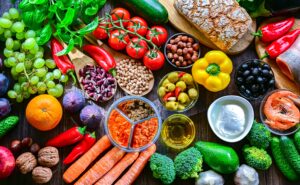
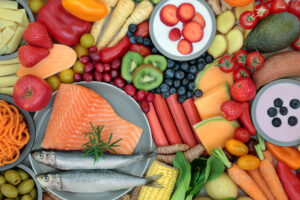
Excellent options include oats, a versatile and calming source of fiber, and fruits such as bananas, oranges, and berries, which balance fiber and essential nutrients. Vegetables like carrots, zucchini, and cucumbers are also great choices, as they provide soluble fiber and are generally well-tolerated. Chia seeds and flaxseeds offer a convenient way to boost fiber intake, as they can easily be added to smoothies, yogurts, or oatmeal.
By incorporating these foods into daily meals, individuals with IBS can enjoy the benefits of fiber while minimizing discomfort.
How Fiber Improves Gut Motility and Inflammation
Fiber plays a crucial role in supporting gut health by promoting regular bowel movements and reducing inflammation in the digestive tract.
Soluble fiber absorbs water and forms a gel-like substance, which helps slow digestion and ensures smooth food movement through the intestines. This can prevent issues such as constipation while supporting overall gut motility.
Insoluble fiber adds bulk to stool, further aiding in the efficient passage of waste. Beyond these mechanical benefits, fiber also serves as a prebiotic, feeding the beneficial bacteria in our gut and promoting a healthy balance of intestinal flora.
Maintaining a diverse and flourishing community of good bacteria in the gut has been linked to improved immune function, mood regulation, and even weight management.
Eating a diet rich in fiber can also have long-term health benefits. Studies have shown that high-fiber diets are associated with reduced risk of chronic diseases such as heart disease, stroke, and type 2 diabetes. This is thought to be due to fiber’s ability to lower cholesterol levels, regulate blood sugar levels, and reduce inflammation throughout the body.
In addition to the health benefits mentioned above, a high-fiber diet can also aid in weight management. Fiber-rich foods are typically lower in calories and take longer to digest, which can help you feel fuller for extended periods. This can prevent overeating and may lead to weight loss or maintenance.
So, how much fiber should you be consuming? The recommended daily intake for adults is 25-30 grams per day. However, the average American falls short of this goal, consuming only about 15 grams per day. To increase your fiber intake, incorporate more fruits, vegetables, whole grains, and legumes into your diet.
In addition to its physical benefits, a high-fiber diet can also benefit your mental health. Studies have shown that fiber can help improve mood and reduce symptoms of depression and anxiety. This may be due to the connection between gut health and brain function.
Hydration + Fiber: Why Water Intake Matters
Proper hydration is crucial when increasing fiber intake, as water works hand-in-hand with fiber to support healthy digestion. Fiber absorbs water in the digestive tract, effectively softening stools and promoting regular bowel movements.
Without adequate hydration, increased fiber consumption can lead to constipation, bloating, or other gastrointestinal discomforts. Drinking plenty of water ensures fiber can do its job efficiently, reducing the risk of digestive complications.
For optimal results, individuals should monitor their fiber and water intake and adjust as needed to maintain a harmonious balance.
When Fiber Can Worsen IBS Symptoms
While fiber is generally beneficial for digestive health, it can sometimes exacerbate symptoms in individuals with Irritable Bowel Syndrome (IBS). High-fiber foods, particularly those rich in insoluble fiber like bran, can trigger bloating, gas, and abdominal discomfort in sensitive individuals. Though gentler on the gut, soluble fiber may still cause issues if consumed in excess or introduced too quickly into the diet.
Those with IBS need to monitor their fiber intake and identify specific foods that worsen their symptoms, as dietary adjustments can play a significant role in managing their condition. Consulting a healthcare provider or dietitian can help establish a balanced and personalized approach to fiber consumption.
Gradual Increase Strategy to Avoid Flare-Ups
When introducing more fiber into your diet, it’s essential to do so gradually to avoid discomfort or digestive flare-ups. A sudden spike in fiber consumption can overwhelm the digestive system and lead to gas, bloating, and constipation. Instead, try gradually increasing your fiber intake by adding in small servings of high-fiber foods each day for a week or two.
Begin by incorporating one high-fiber food at a time into your daily meals and snacks. This could include whole grains such as oats or quinoa, fruits like apples or berries, vegetables like broccoli or Brussels sprouts, and legumes like beans or lentils. As you increase your fiber intake, be sure also to drink plenty of water to help keep things moving smoothly in your digestive tract.
If you experience discomfort while increasing your fiber intake, don’t panic!
Signs Your Fiber Approach Isn’t Working
While adding fiber to your diet can significantly benefit your health, it’s important to recognize when your body isn’t responding well to the changes.
Common signs that your fiber approach might not work include persistent bloating, gas, or abdominal discomfort that doesn’t subside even after a few days. Constipation or diarrhea can also be indicators, especially if you’ve dramatically increased your fiber intake without balancing it with adequate hydration. If these symptoms persist or worsen, it may be an indication to adjust the amount or type of fiber you’re consuming.
Please remember to listen to your body and seek advice from a healthcare professional to ensure your dietary changes are effective and sustainable.
When To Talk to Your Doctor
These could be signs of underlying conditions that require medical evaluation. If dietary adjustments don’t seem to alleviate your discomfort, your doctor can help guide you toward a tailored solution that meets your nutritional needs while addressing any concerns. Always prioritize your well-being and seek professional advice when necessary. If you have questions, you can reach out to the associates at Allied Digestive Health. We are happy to help.